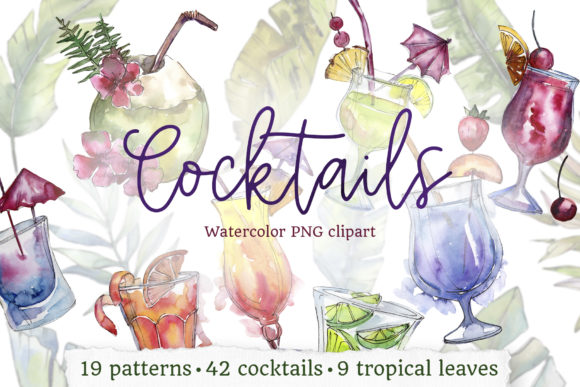
Cocktail Watercolor Illustrations
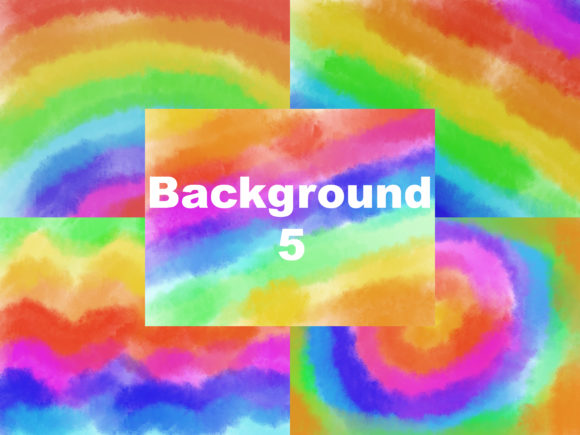
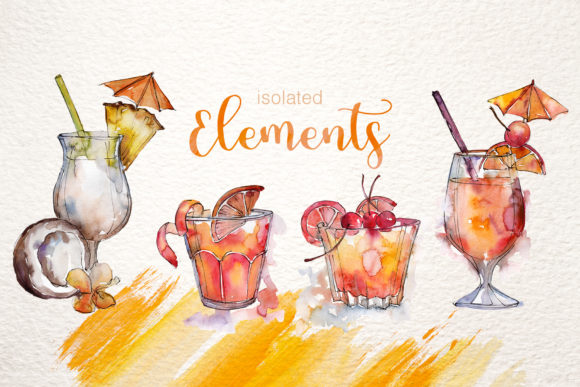
As a brand designer with years of experience, I’ve seen countless graphic design assets come and go. But when I first encountered Cocktail Watercolor, it immediately caught my attention. This set of illustrations offers a unique blend of fluidity and vibrancy that can elevate the visual identity of any small business. Whether you're working on a bakery, a handmade soap line, or a boutique store, these watercolor designs bring a fresh, artistic energy to your branding.
The Mood and Personality of Cocktail Watercolor
Cocktail Watercolor exudes a playful yet elegant vibe. The soft washes of color and organic shapes suggest a brand that values creativity, authenticity, and a touch of whimsy. It’s ideal for businesses aiming to communicate a friendly, approachable, or artisanal image. Think of a local coffee shop looking to stand out with a cozy, inviting aesthetic, or a skincare brand wanting to emphasize natural ingredients through a more expressive visual language.
The illustrations feel handcrafted, which makes them perfect for handmade businesses or brands that want to highlight their personal touch. They also work well for seasonal campaigns, adding a sense of celebration or renewal without being overly flashy.
Real-World Applications for Small Business Branding
When designing for a real local business, the versatility of Cocktail Watercolor becomes clear. These illustrations can be used in logo design to create a memorable visual signature. They’re also great for product labels, where they can add a decorative element that sets your product apart on the shelf.
For packaging design, Cocktail Watercolor can serve as an accent or background, helping to establish a cohesive brand identity. They work well on hang tags, thank-you cards, and stickers, offering a consistent look across all customer touchpoints. In social media graphics, these illustrations can be used as background elements or overlays to make your content more engaging and visually appealing.
They also lend themselves well to web design, where they can be used as banners, buttons, or section dividers. In editorial design, such as menus or price lists, they can add a creative flair that enhances the overall customer experience.
Supporting Business Presentation and Customer Trust
One of the most valuable aspects of Cocktail Watercolor is how it supports professional branding. A strong first impression is crucial for small businesses, especially in competitive markets. These illustrations help create a polished, cohesive look that signals quality and attention to detail.
By incorporating Cocktail Watercolor into your design strategy, you can improve product recognition and build a stronger visual hierarchy. This leads to better brand consistency, which in turn increases customer trust. When customers see a well-designed package or promotional material, they’re more likely to perceive your brand as reliable and professional.
Additionally, these illustrations can enhance the emotional connection between your brand and your audience. The soft, artistic nature of the designs can evoke feelings of comfort, joy, or nostalgia—key elements in building long-term customer relationships.
Where Cocktail Watercolor Shines
Cocktail Watercolor excels in applications where visual appeal is key. Product labels benefit from its vibrant, eye-catching style, while packaging accents can use it to add depth and interest. Hero graphics on websites or social media campaigns are another perfect fit, as they draw attention and reinforce brand messaging.
These illustrations also work well in printable designs, such as gift cards, coupons, or promotional inserts. For seasonal campaigns, they can be adapted to reflect holidays or special events, making your marketing efforts feel timely and relevant.
In boutique visuals and social media campaign graphics, Cocktail Watercolor adds a layer of creativity that helps your brand stand out. It’s particularly effective when paired with bold typography or minimalistic layouts, creating a balanced and modern aesthetic.
Where to Use with Caution
While Cocktail Watercolor is highly versatile, there are situations where it may not be the best choice. In formal corporate branding, its artistic style might feel too casual or unstructured. Similarly, on very small labels or crowded product packaging, the details could become lost or overwhelming.
It’s also important to avoid using these illustrations in areas where legal information or ingredient lists are required. The design may compete with critical text, reducing readability. On low-contrast backgrounds, the colors might not stand out as intended, leading to a less effective visual impact.
For luxury minimalist brands, Cocktail Watercolor could feel too busy or decorative. In such cases, simpler, more restrained design elements would be more appropriate.
Practical Designer Notes
Before finalizing Cocktail Watercolor for a project, I always recommend testing it on real packaging mockups. This helps ensure that the design translates well to physical materials and maintains its visual appeal in different lighting conditions.
Check how it looks in black and white, as some illustrations may lose their impact without color. Preview it on small labels to confirm that the details remain visible and legible. Also, test it with your brand colors to ensure a harmonious integration.
Compare it with competitor packaging to maintain a unique visual identity. Review the print quality to avoid issues with resolution or color accuracy. If the asset includes PNG transparency, inspect it closely to ensure it works seamlessly in your design workflow.
If the asset is available in SVG format, check its editability to allow for future customization. Test it beside different font styles—serif, sans serif, script, handwritten, and display fonts—to find the best typographic pairing.
Finally, always confirm the commercial license before using Cocktail Watercolor for client work, business branding, or physical product sales. This ensures that you have the rights to use the design in your projects without legal complications.